
This Fall budget adjustment is a chance for our new council to show that they support public transit riders
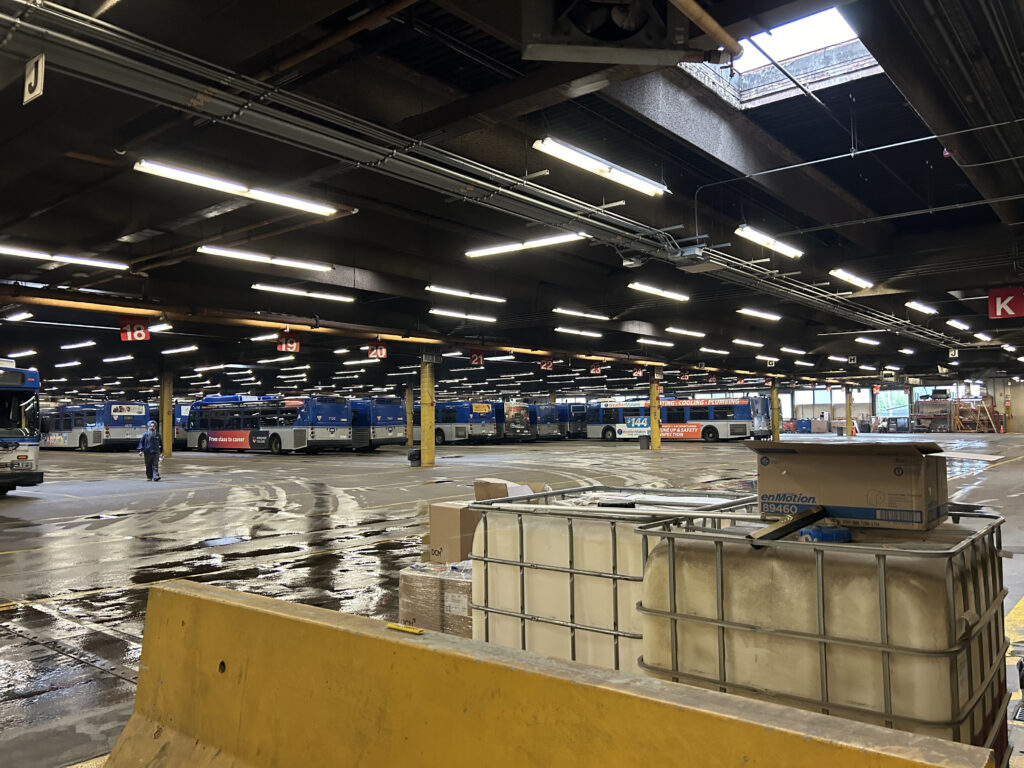
We want to see council take concrete steps to set our transit system up for sustainable growth.
In early December, The City of Edmonton will update its operating and capital budgets. This process occurs twice a year and is an opportunity to address new challenges, access new funding, and react to our city’s needs.
This budget adjustment is BIG for public transit, bringing opportunities to pursue fleet expansion, access Canada Public Transit Fund (CPTF) dollars, improve Dedicated Accessible Transit Service (DATS), and keep our system clean, comfortable, and affordable.
Directly below is a summary of our asks, with additional context further down the page.
Our Asks at a Glance
Nothing too flashy or fancy, this budget adjustment is about supporting the structural elements that keep our transit system running, allow us to keep pace with Edmonton’s rapid growth, and improve quality of life for transit riders. While there are many changes to public transit proposed for this budget adjustment, and they should all receive funding; the nine identified below across both the capital and operating budgets are in our view, the most important to addressing our immediate needs, maintaining affordability, and setting our transit system up for success.
We are asking that council:
Bus Fleet Expansion (Capital and Operating)
- Fund the purchase of 25 growth buses (capital), and
- Fund the addition of ~62,500 new service hours (operating);
Capital Budget
- Fund the relocation of the ETS Control Centre (Through CPTF cost-sharing),
- Fund the purchase of automated person counters for the Capital and Metro Lines (through CPTF cost-sharing), and
- Prioritize the remaining unfunded CPTF projects identified by ETS prior to using the fund to reduce City costs on already funded projects;
Operating Budget
- Make the enhanced cleaning program permanent,
- Fund the enhancement to DATS service,
- Fund the implementation of weekend and off-peak safety attendants, and
- OPPOSE the proposed increase in the airport 90-minute ticket from $5.00 to $6.00, and the increase in the monthly fare cap from $90.00 to $108.00;
More on our Priorities for the Fall Budget Adjustment
Why we need new buses
The purchase of 25 growth buses will transition On Demand Transit zones with the highest ridership to conventional fixed route bus service.
Edmonton is falling behind on transit service, despite multiple service increases over the past few years, ETS still operates a bus network below the minimum standards that council approved in Policy C539a Transit Service Standards Procedures. This is due to a lack of fleet capacity and operations funding for public transportation.
If Edmonton’s growth outpaces the funding and fleet capacity of our transit system, our network will continue to be spread thinner and thinner across more neighbourhoods that desperately need consistent and frequent service. Funding the purchase of 25 buses, and getting them out onto our streets is a significant step from council to help our system keep up with population and ridership growth, and build a system Edmontonians can rely on.
Why we need to relocate the ETS Control Centre
The ETS Control Centre is the heart of transit operations in the City of Edmonton, and it can’t keep up with the growth of our service in its existing location. With additional funding to complete construction and fit the centre’s interior, ETS will be able to keep up with the additions in ridership that will come with the opening of Edmonton’s two current LRT extensions, the increasing demand for services like Transit Watch, and more effectively address detours and collisions on our network.
Funding this project sets transit in Edmonton up for a sustainable future that meets the needs of riders for years to come.
Why we need to maintain the enhanced cleaning program
Council correctly identified that a clean and comfortable transit system was important for rider experience and safety when they funded the Enhanced Cleaning program. With funding for that temporary program coming to an end, Council should provide funding to make the program permanent so that our infrastructure and vehicles can maintain their current standard.
Improving transit cleanliness means more people feeling comfortable using our transit system, attracting ridership and improving perceptions of safety.
Why we need to enhance DATS service
Demand for DATS service has exceeded pre-pandemic trip volumes in 2025. Additional DATS service trips are required to be
funded, in order to maintain Council directed service standards. If this pressure is not addressed, projections indicate that in 2026
the accommodation will fall below the standard of 98 per cent, to 89 per cent, and approximately 120,000 trips per year for DATS
riders will be denied.
DATS is the only public transit option for thousands of Edmontonians who have a variety of disabilities and cannot use
conventional transit service. The majority of these riders are seniors and many rely on DATS to access life sustaining medical
services. Without growing the service, DATS riders would be denied service. Increasing DATS service will reduce
barriers by increasing service availability to those who depend on it.
Why we need automated person counters
Public transportation should be planned using accurate data, and right now, Edmonton does not know exactly how many people are using the Capital and Metro LRT lines. This is because these trains are not fitted with automated person counters. With the funding made available by the CPTF, the purchase of these counters for the trains will allow ETS to get a more accurate view of our system’s ridership, and make more informed decisions about deployment of service and security resources.
Automated person counters are an investment into a more efficient and responsive public transit system.
Why we need off-peak safety attendants
Transit Safety Attendants who would provide direct support to transit riders by reporting incidents to the ETS Control Centre, encouraging appropriate behaviour and de-escalation, administering naloxone, interacting with and greeting riders, answering questions from riders and spot cleaning when doing patrols. This includes 14 Attendants deployed at approximately 10 locations during periods of lower ridership when natural surveillance is less prominent, thereby improving perceptions of safety through increased staff presence in stations.
Funding for this program will introduce a new tool at the City’s disposal to improve safety on our transit system that all riders can feel safe and comfortable accessing. We’ve all been waiting at an LRT station late at night and felt alone and isolated. One of the most impactful ways that we can make our LRT network feel safer is by making sure there are always people present to provide support to riders at our stations.
While this program is small, we believe it will mark a shift in how the City addresses safety on our transit system, and change how late-night and weekend riders feel about our transit system.
Why we shouldn’t increase airport transit fares
The city is proposing increasing the airport transit fare from $5.00 to $6.00, as well as increasing the monthly fare cap to $108.00. While this does come along with positive changes like the addition of 3 and 5 day passes which will make visiting Edmonton via transit much simpler and intuitive. While increasing fares will have little impact on visitors to Edmonton who can make use of the multi-day passes, the increase in cost hurts the growing number of service workers who rely on the 747 bus route to get to work in and around the airport.
Maintaining current fare prices supports affordability in our city, and makes life easier for those unable to afford alternative modes of transportation. While these fare costs are negotiated with the City of Leduc and Leduc County, we urge council to work to maintain current fare prices, and avoid transit fare creep at all opportunities.
What should we use the rest of the Canada Public Transit Fund for?
We outlined two projects (ETS Control Centre relocation and automated person counters for the LRT) as priority projects for the Canada Public Transit Fund, however there is much more identified by ETS that could be funded. In looking to spend the remainder of the $13.2 million provided to Edmonton for public transit investment, Council should NOT use this funding to merely reduce our costs on already approved and funded projects until we address longstanding maintenance and operational issues ETS is facing. These include:
- Modernizing ETS’s legacy applications that are sometimes decades old and make our service delivery less efficient,
- Replacing aging bike racks on our buses with new models that allow for more types of bikes and user-friendly racks, and
- Planning for the Windermere North Transit Centre, to support Edmonton’s rapidly growing southwest, and simplify transfers to mass-transit routes;
Any remaining funds should then be used to reduce the City’s costs for other public transit projects.